

At GB Rubber, we make high-quality hoses for industries that require safe, reliable fluid transfer. Our hoses are made from strong rubber and reinforced materials. This gives them the strength, flexibility, and durability needed for industrial use.
They can carry air, water, oil, fuel, chemicals, steam, slurry, and other materials under different pressure and temperature conditions. Because they are flexible, these hoses can bend around machines, move with equipment, and fit into spaces where rigid pipes may be difficult to use.
Compared to standard transfer systems, industrial hoses are easier to handle, install, and replace. They are widely used in hydraulic equipment, manufacturing plants, chemical processing units, construction machinery, mining operations, agriculture, and many other industries.
Today, hoses are used in fluid transfer systems, hydraulic circuits, compressed-air systems, steam lines, cooling equipment, tanker operations, and material-handling applications.
At GB Rubber, we manufacture industrial hoses for different fluid-transfer and material-handling applications. We use carefully selected rubber compounds and to produce solutions that meet specific operating needs.
Our team studies important factors such as the material being transferred, operating pressure, temperature range, movement, and installation conditions before recommending a suitable product.
We can supply hoses in different sizes, lengths, reinforcement types, and constructions. Our focus on material selection, manufacturing control, and product quality helps us deliver dependable solutions for different industries. We can also support hoses rubber moulded requirements for applications that need specific shapes and constructions.
Choosing the right hoses is important for safe operation and proper system performance. The selected hose should match the material being carried, operating pressure, temperature, required flexibility, and surrounding conditions.
Whether you need standard industrial hoses or a customized solution, the GB Rubber team can help you identify the suitable construction for your application.
Contact GB Rubber today to learn more about our industrial hoses and discuss your specific operating requirements.
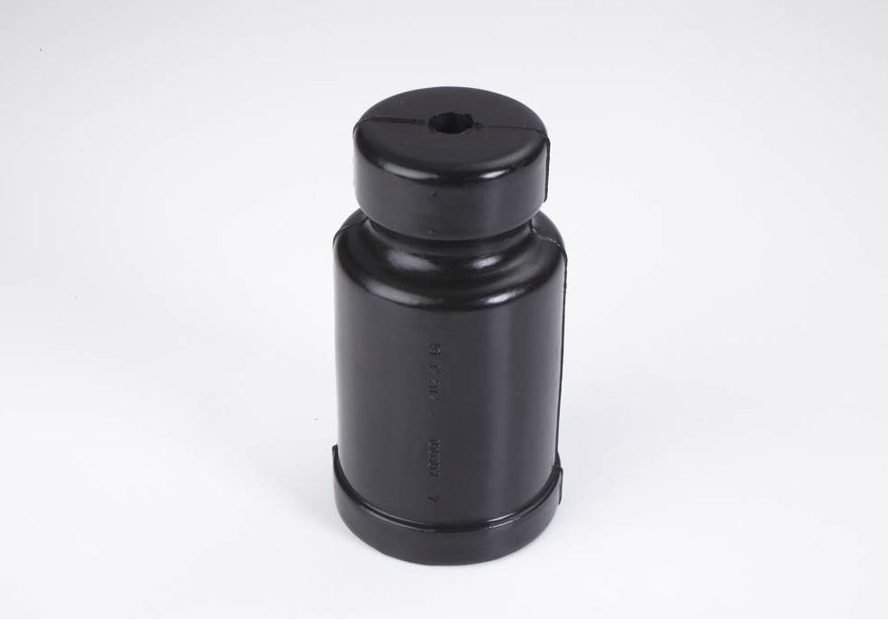
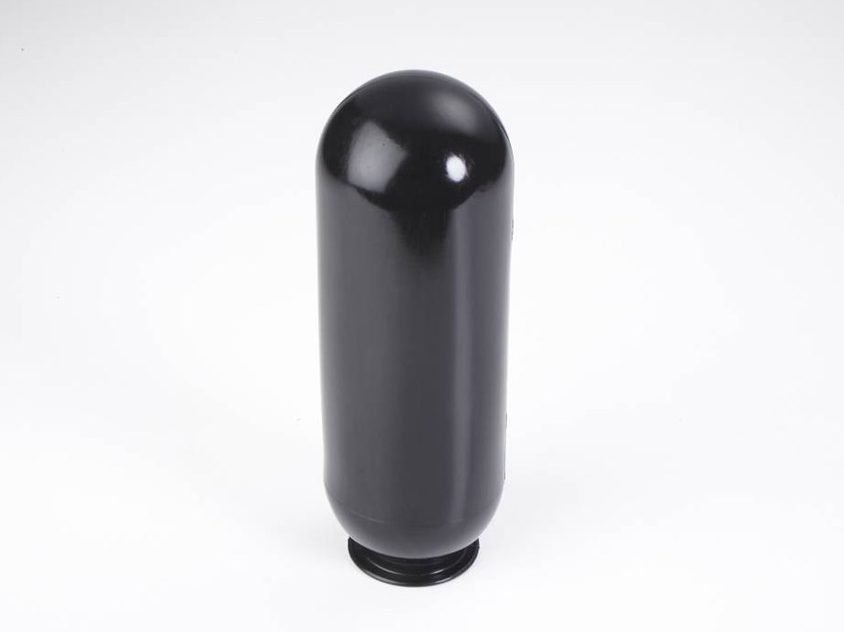
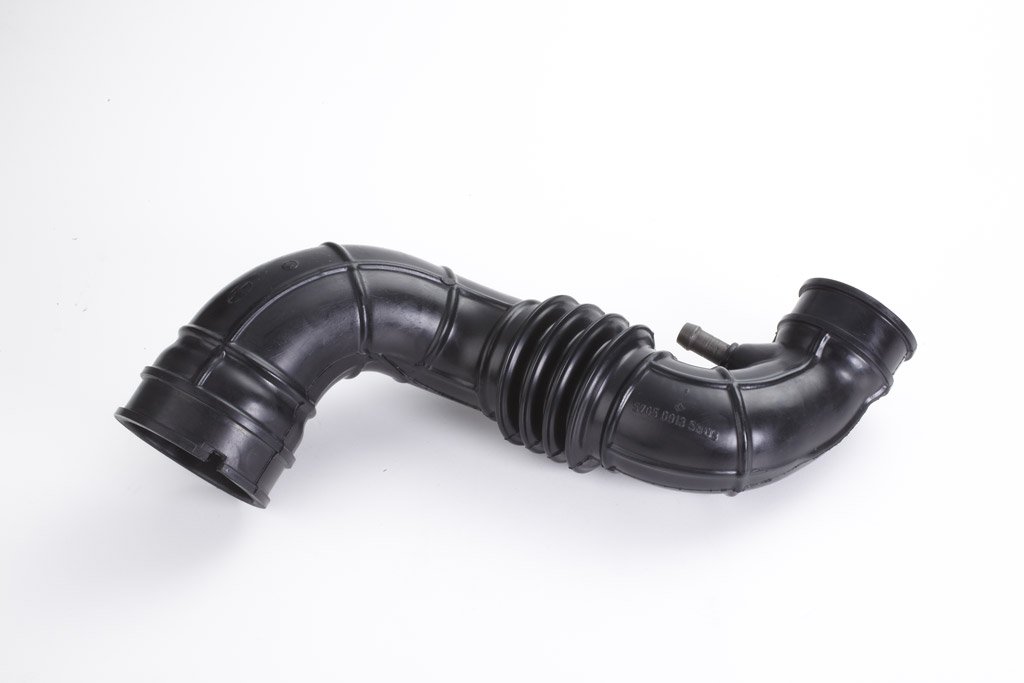
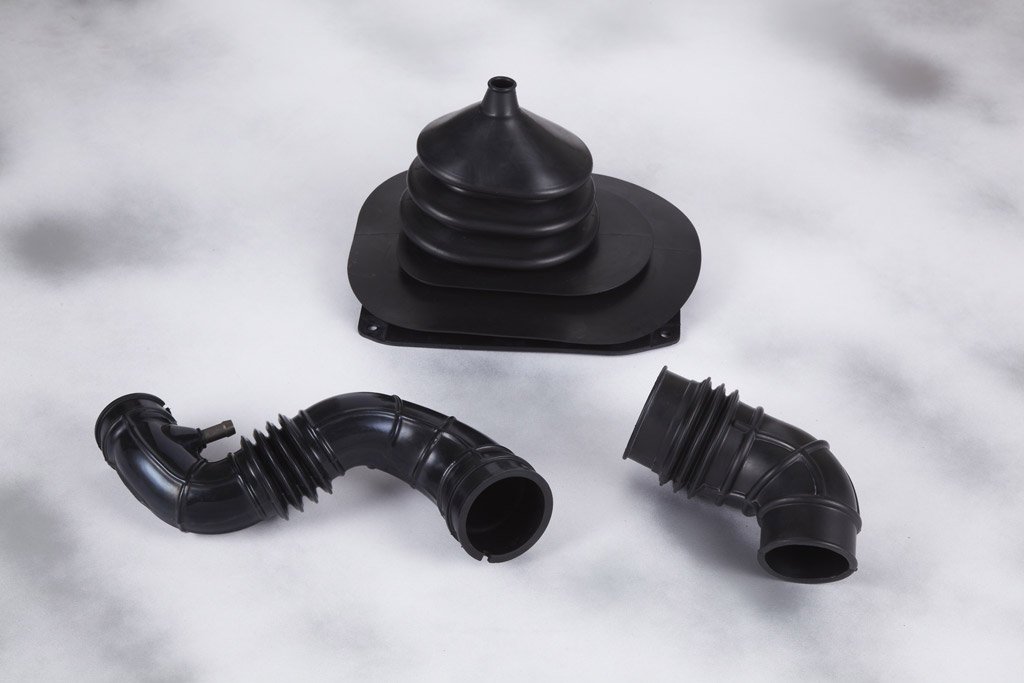
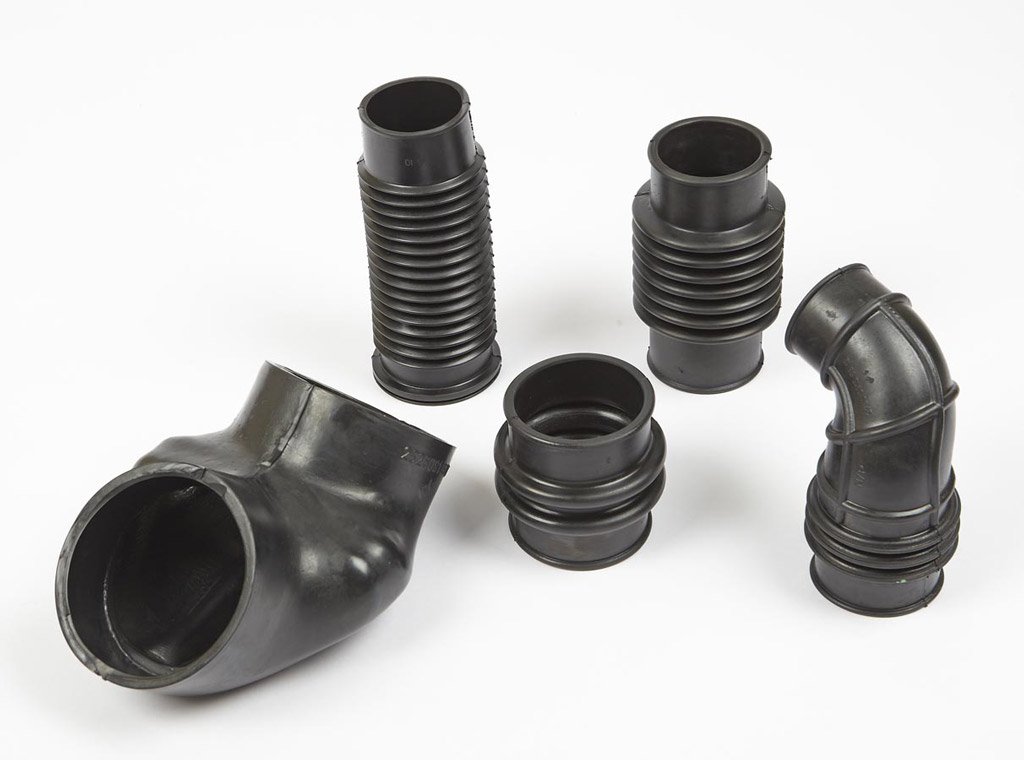
Industrial hoses are made using carefully selected rubber compounds, inner tubes, reinforcement layers, and protective outer covers. Each layer performs a specific function and helps the hose work safely under demanding conditions. The inner tube carries the fluid or material. The middle layer helps the hose handle pressure, while the outer cover protects it from wear, weather, and outside damage. A synthetic hose can also be developed using material combinations selected for specific operating requirements.
Key Features Include:
1. Hydraulic Hoses Hydraulic hoses are designed to carry hydraulic oil under high pressure. They help transfer power between pumps, valves, cylinders, and other parts of hydraulic systems. They are commonly used in excavators, loaders, agricultural machinery, industrial presses, and material-handling equipment.
2. Chemical Transfer Hoses These hoses are developed to carry chemicals, acids, solvents, and other industrial liquids safely. The inner tube is selected according to the chemical being transferred. They are commonly used in chemical plants, pharmaceutical units, refineries, storage facilities, pumps, and processing equipment.
3. Steam Hoses Steam hoses are designed to carry steam and hot water at elevated temperatures. Their construction helps them manage heat and pressure during industrial operations. They are widely used in textile plants, food-processing units, industrial cleaning systems, manufacturing facilities, and power plants.
4. Air and Water Hoses Air and water hoses are used for transferring compressed air, water, and other general-purpose fluids. They are flexible, easy to handle, and suitable for regular industrial use. They are commonly used in workshops, construction sites, irrigation systems, manufacturing plants, and maintenance activities
The right hoses help industries transfer liquids, gases, and materials safely between different parts of a system. Their flexible design makes them useful in both fixed equipment and moving machinery. Well-selected hoses also help control flow, support smoother equipment operation, and reduce stress on connected parts.
Main Benefits Include:
Industrial hoses are used in sectors where liquids, gases, steam, powders, or other materials must be moved safely. Different industries select hoses based on the material, pressure, temperature, and surrounding conditions.
Common Industries Include:
Oil & Gas Industry – Supports fuel transfer, drilling fluid handling, compressed air systems, and refinery operations.
Chemical Processing Industry – Helps move acids, solvents, chemicals, and other process liquids safely.
Construction Industry – Commonly applied in concrete pumping, dewatering, compressor systems, and heavy equipment.
Mining Industry – Handles slurry transfer, water discharge, dust control, and mineral processing tasks.
Marine Industry – Supports fuel lines, cooling systems, bilge systems, and onboard equipment.
Manufacturing Industry – Works across pneumatic machinery, coolant lines, production systems, and factory maintenance.
Industrial hoses support many operations that require a flexible connection between equipment, machines, tanks, or processing systems. Moulded hoses can also be used where specific shapes or routing requirements are needed.
Fluid Transfer Systems
Ensures smooth transfer of water, oils, fuels, coolants, chemicals, and other process liquids throughout industrial systems.
Hydraulic Systems
Transfers hydraulic fluid across pumps, valves, cylinders, and heavy machinery.
Compressed-Air Systems
Connects compressors with pneumatic tools, machines, and automated equipment.
Material-Handling Systems
Transfers slurry, powders, cement, granules, and other bulk materials.
Heating and Cooling Systems
Circulates steam, hot water, cooling water, and thermal fluids.
Loading and Unloading Operations
Supports tanker filling, tank emptying, storage transfers, and bulk deliveries.
Many industries choose Hoses because they make it easier to connect machines and move different liquids, gases, or materials. They are easy to route, can move with equipment, and can be made for different working conditions. Since hoses are available in many materials, sizes, and designs, industries can choose the right option for both common and special applications.
Why Do Industries Choose Hoses?

